One company, one model.
We model the business, not the department.
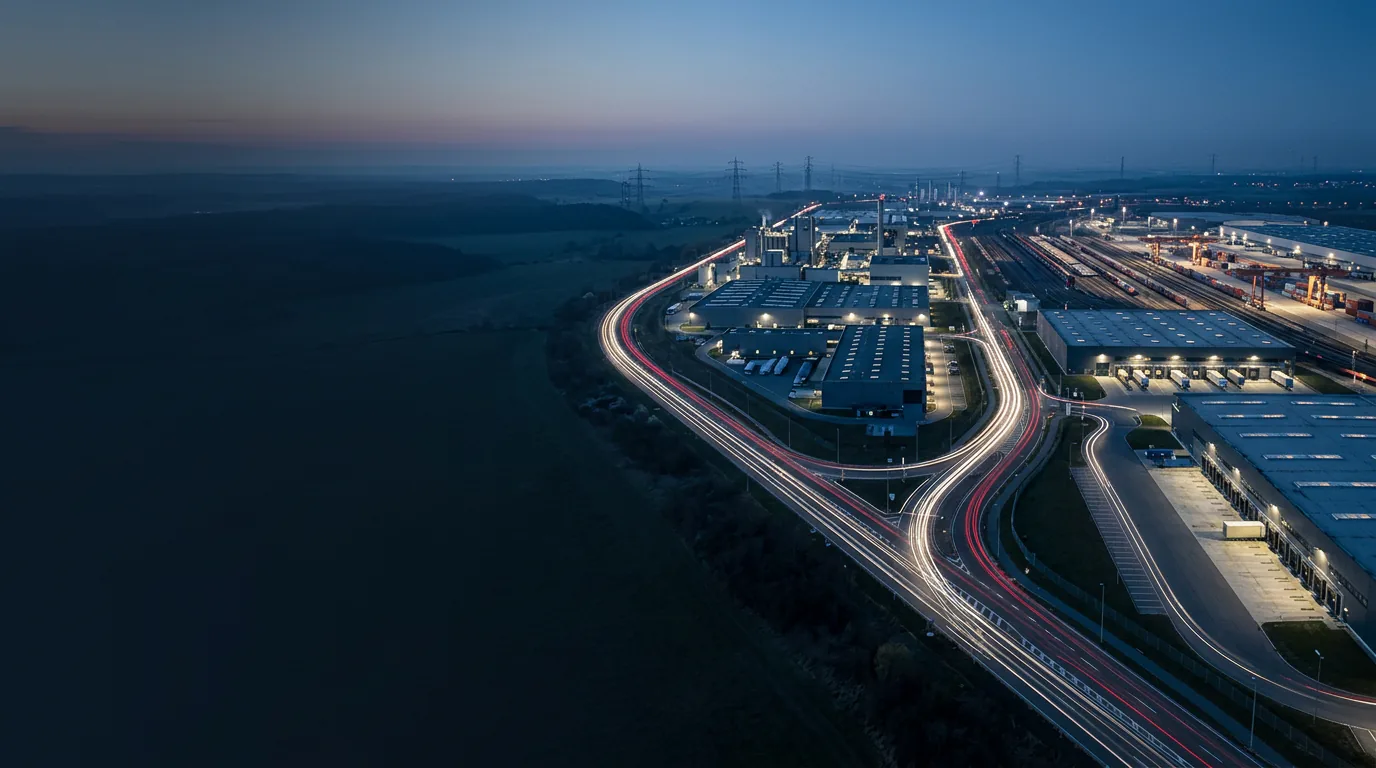
The platform
Most planning tools solve for the best allocation, on averaged costs. A business does not run on averages. SIMCEL simulates how yours behaves, transaction by transaction, and shows the P&L that results.
Every planning platform has two layers. The data layer stores and connects your network: products, plants, customers, lanes. The decision layer produces the plan. Most of the market competes on the first. What a plan can tell you is set by the second. SIMCEL is a decision layer.
Data layer: the map
Decision layer: the journey
We model the business, not the department.
When sales, supply and finance disagree, the P&L settles it.
Lana has the ideas. The simulator does the math. You make the call.
Adoption is a usability question, not a training question.
One module, one scope, on the tools you run. Each step pays for the next.
The model
Demand, supply, finance and carbon run on the same products, customers, locations and assumptions. Start with one module. Each one you add shares the model, so nothing is reconciled afterwards.
One model. All four modules run on the same assumptions.
A supply move, a price change or a product launch shows its financial consequence in the same run.
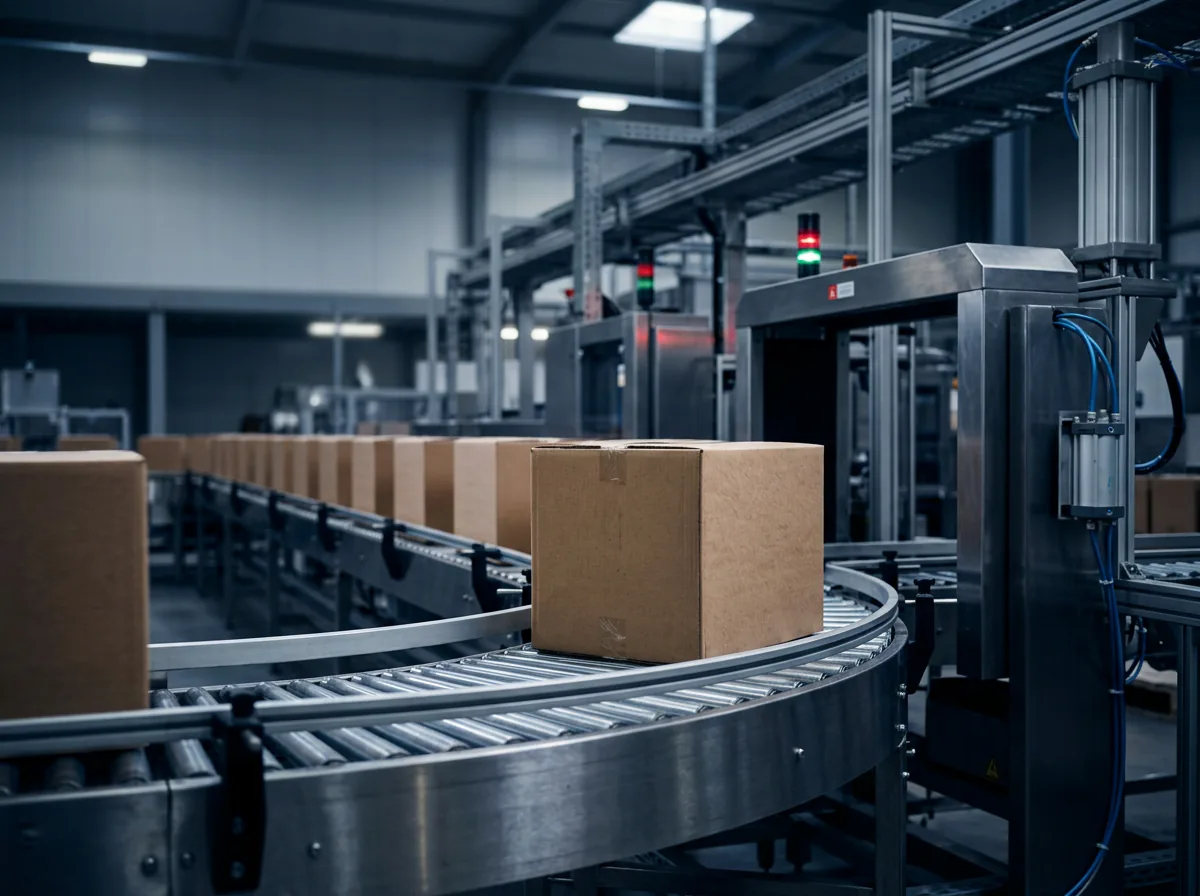
An optimiser returns the best allocation for one moment, on fixed unit costs. SIMCEL replays your business over time: orders, production runs, shipments, payment terms. Costs move with volume. Trucks fill, or run half empty. Minimum orders bite. The plan you see is the one your business would live.
A plant planned at full volume and run at 70% does not cost the same per unit. A fixed cost per unit cannot see it. A simulation can.
SIMCEL then runs a sweep of scenarios and shows where profit, service and cash peak. You see the trade-off, then choose.
Capacity, service and inventory move with every assumption you change.
Revenue, cost-to-serve, EBIT and cash stay tied to the same scenario.
Every number can be followed back to its cause. Lana shows you the path.

Most companies run the budget, the monthly plan and the short-term plan on separate data that never reconcile. In SIMCEL they are three horizons of one model.
Built on the model, from demand to finance. Then tracked against every plan and against actuals, all year.
The monthly cycle in one flow, in volume and in value. Several scenarios reach the review, and leadership chooses.
The same model on a shorter horizon, at transaction level. It replays each flow from order to delivery and gives the finest estimates of inventory, cost and capacity.
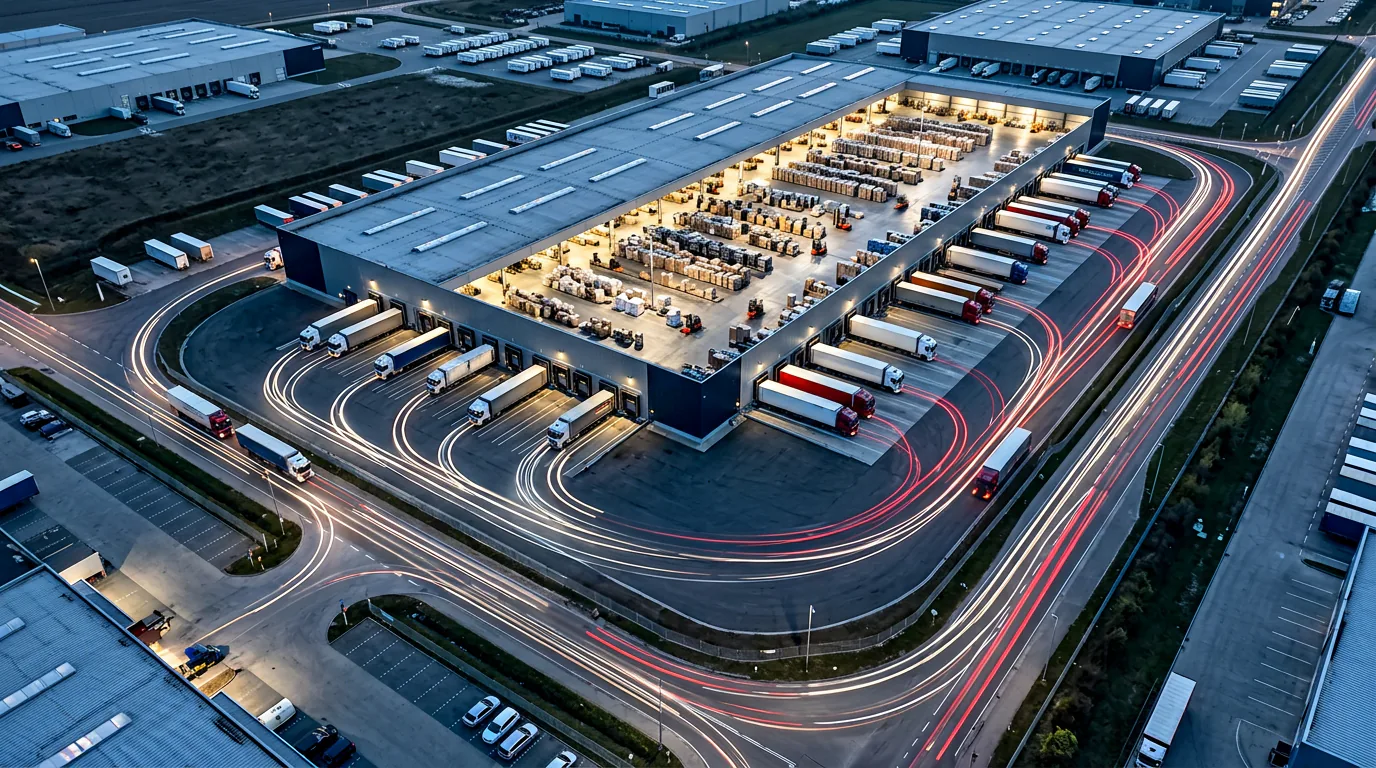
SIMCEL adds demand shaping, scenarios, supply and finance on top of it.
SIMCEL adds demand planning and finance.
SIMCEL adds the demand and supply scenarios that feed it.
SIMCEL takes over the planning, one module at a time.
Some companies keep their tools and add SIMCEL modules. Others move all their planning to SIMCEL, for consistency from end to end.
Your ERP stays the record. Data comes in from it. The scenario you choose becomes the plan of record and goes back to it, as purchase, production and transfer orders.
Single sign-on. Role-based access. Every action logged.
Encrypted in transit and at rest. Hosted on Google Cloud, on ISO 27001 and SOC 2 certified infrastructure.
CyberVadis 858 out of 1000, rated Mature.
99.5% uptime. Full data export on exit. No lock-in.
A price change, a capacity bet, a supplier at risk. Bring one real decision, and we connect your demand, supply and finance assumptions in one model, live.